


Canada’s senior health is a multifaceted picture, and an surprising element has joined the conversation: the bright, digital world of Miss Joker Slot missjoker.net. With Canada’s senior population expanding quickly, a comprehensive view of well-being is crucial. Routine geriatric visits encompass physical health, medications, and cognition. Yet modern care also recognizes the deep value in mental exercise, social ties, and simple enjoyment. Playful activities, including those available on platforms like Miss Joker Slot, fit here. They are not a treatment, but they can be a pleasant part of a larger health strategy that values joy and an stimulated mind for older adults.
The rising relevance of elderly care in Canada
Canada’s demographics are shifting. The number of people aged 65 and older is growing quickly, which brings both opportunity and strain for healthcare. Elderly-focused care is not just a specialized field; it’s a necessity. Geriatricians and their teams handle the complicated health issues older adults often face. They oversee multiple chronic diseases, complex medication lists, and conditions like frailty and dementia. Their work is not limited to treatment. It emphasizes prevention, helping seniors preserve their independence, and improving their day-to-day life. With demand climbing, care plans are starting to include more innovative ideas for well-being. The aim is to enable seniors experience fuller, more energetic lives at home.
Demographic Shifts and Healthcare Demands
The numbers reveal a clear trend. Canadian seniors now outnumber children, and this gap will widen. This change strains provincial healthcare systems, forcing a shift in resources and a stronger push for age-friendly care. Geriatric care visits are essential to this new approach. They strive to keep seniors healthy in their own homes and avoid unnecessary hospital stays. During these visits, professionals check mobility, nutrition, cognitive state, and social connections. The current model recognizes that a senior’s health hinges on a network of linked factors. Addressing them collectively is the only way to make care work for the long term.
Essential Parts of a Up-to-Date Geriatric Review
A full geriatric assessment is much more than a routine doctor’s appointment. It’s a comprehensive, collaborative process that looks at an older person from every angle. The evaluation encompasses physical health, how well they function day-to-day, cognitive and mental health, and their living situation. Key parts always include a full assessment of all medicines, a fall risk assessment, simple tests of memory and thinking, screening for depression, and an understanding of how they manage basics like bathing and meals. This deep dive shapes a custom care plan. The plan might entail medical treatments, referrals to therapists, and links to community supports. Everything is intended to improve the person’s quality of life and ability to direct their own life.
Human Interaction and Its Impact on Aging Health
Social isolation and isolation are subtle yet significant issues for many older adults, with tangible impacts on mental and physical health. Research keeps showing that strong social ties result in decreased hypertension, lower rates of depression, slower cognitive decline, and longer life. Elderly care professionals now regularly screen for indicators of loneliness and work to link seniors with social clubs. Today, human contact can also happen online, a essential support for those who find it hard to get out. Shared interests, whether in a club or a digital conversation, are the key for significant interaction. Engaging in pursuits with other people, sharing shared interests, or enjoying a chuckle with loved ones builds a feeling of inclusion. This emotion is crucial to a older adult’s psychological health and life satisfaction.
Miss Joker Slot Title: A Study in Playful Engagement
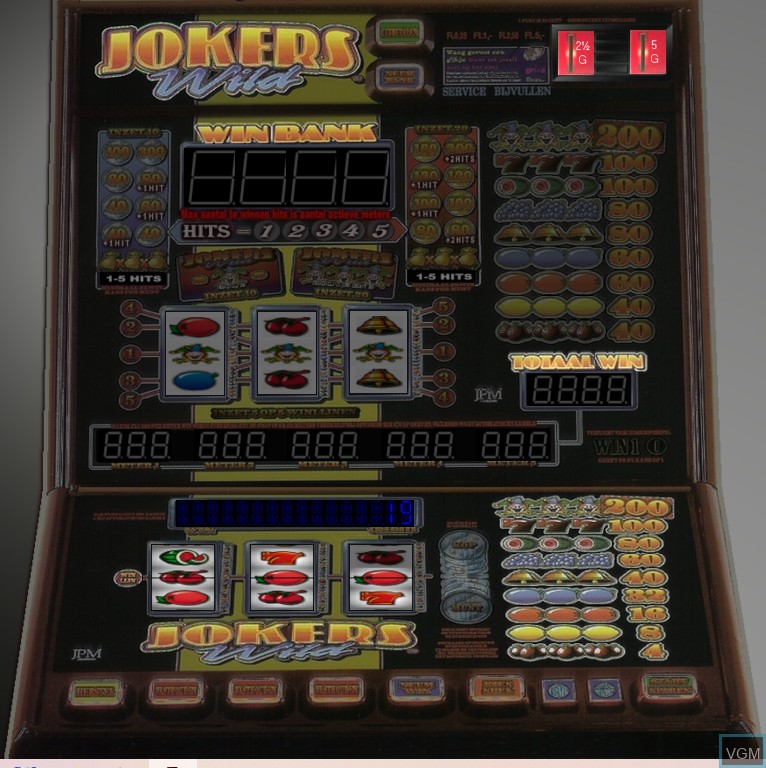
The sphere of online leisure is huge. Platforms such as Miss Joker Slot offer one form of playful engagement, marked by bright colors, easy rules, and a playful theme. These websites are first and foremost entertainment. Yet, with careful and moderate use, they demonstrate how a leisure activity can present a mental diversion. The vibrant graphics can be visually engaging, and the simple gameplay requires a measure of attention and pattern recognition. It’s a valuable reminder that enjoyment, novelty, and playful themes have a place at the table when we talk how seniors spend their spare time. This invariably works optimally when combined with the other vital parts of a healthy lifestyle that senior care promotes.
Brain Exercise and Brain Health for Seniors
Maintaining the mind active is a pillar of healthy aging. Cognitive health means memory, learning, solving problems, and making decisions. For older adults, regular mental exercise is as essential as a daily walk. It helps build a buffer in the brain that may slow dementia and keeps neural connections active. Activities that challenge the brain—like puzzles, picking up a new hobby, reading, or games that need tactics—promote neuroplasticity. In a balanced life, leisure pursuits that call for a bit of attention, spotting patterns, or making small choices enhance this mental workout. They are no substitute for structured brain training, but enjoyable pastimes offer mental exercise that feels like enjoyment, not homework.
Integrating Leisure and Play into Senior Wellness
Play isn’t just for kids. It’s a wellspring of joy, stress relief, and mental engagement for people of all ages. For seniors, including leisure and playful activities into the week is a powerful part of staying well. Play sparks creativity, leads to laughter, and gives a break from the cycle of managing health issues. It might be gardening, painting, gentle yoga, or digital games. These activities give a sense of control, accomplishment, and plain fun. They are a form of self-care, letting older adults focus on what they can do rather than what they can’t. A good geriatric care plan will often promote these passions. The reason is simple: joy is therapeutic, and it feeds a positive outlook and better mental health.
The Value of Accessible Digital Entertainment
Technology keeps getting easier to use, and digital entertainment has created new options for senior leisure. Tablets and computers with simple designs let older adults discover games, social media, and learning sites from their favorite chair. Accessible digital entertainment can deliver mild cognitive stimulation, practice for hand-eye coordination, and something to talk about later. For many seniors, learning to use a new app or game brings a proud sense of achievement and keeps them feeling current. The key is to choose activities that are suitable for older adults, easy to understand, and done in moderation. They should be one part of a balanced day that also includes physical, social, and other mental pursuits.
Assistance and Help for Older Adults in Canada
Canada has a wide network of resources to support its aging population. Navigating them can be daunting, but they are very useful for seniors and their families. Support is available through government healthcare and home care services to programs organized by non-profits and local groups.
- Public Health Agencies: Provincial health authorities share information on senior health programs, how to reduce falls, and healthy aging workshops.
- Canada’s National Seniors Council: This group issues reports and resources on important topics like social isolation and financial literacy for older adults.
- Local Community Centres: These places often run social clubs, fitness classes for seniors, and educational talks.
- Non-Profit Organizations: Organizations like the Alzheimer Society of Canada or the Canadian Association of Retired Persons (CARP) offer targeted support and act as advocates.
- Federal Benefits: Programs such as Old Age Security (OAS) and the Canada Pension Plan (CPP) provide financial help. The New Horizons for Seniors Program gives money to local community projects.
The Future: The Future of Comprehensive Geriatric Care
The path of geriatric care in Canada is trending toward a approach that is more coordinated and centered on the individual. This framework will merge advanced medicine with active support for mental, social, and emotional health. Technology will have a larger role, from virtual doctor visits to apps that assist with medications and brain training. But some things won’t change. The human touch, compassion, friendship, and the nurturing of joy will always be vital. As the discipline grows, the easy integration of enjoyable, stimulating leisure into the senior health discussion will signal a framework that genuinely concerns itself about life quality. It acknowledges that for seniors to thrive, their care must sustain not just the body, but also the spirit and the mind, including everything that brings light and engagement to their later years.
Cooperation Between Home Helpers and Elder Care Experts
The best senior health stems from teamwork. Family caregivers and professional geriatric providers need to work together. Open discussion about every part of a senior’s life, including their hobbies and leisure activities, is crucial. Caregivers can explain what gives the senior joy, what mental tasks they like, and how they use their free time. Geriatric professionals can then advise on how to fit these activities safely into the overall care plan. This partnership ensures the pursuit of happiness matches health goals, that possible risks are managed, and that the senior’s own choices are honored. Together, they build a support system that supports the whole person.
Priority on Safety: Responsible Engagement for Older Adults
Every time we address recreation, electronic or traditional, for seniors, caution and duty take priority. Aging care professionals emphasize the need for defined boundaries so entertainment stays positive and prevents issues. Fundamental safety principles include strict time boundaries to avoid sitting too long, financial rules to keep entertainment from becoming a burden, and fundamental digital safety to protect personal information. Family and caregivers can assist by implementing these safeguards and encouraging a balance of activities. The main principle is that all forms of entertainment should improve quality of life without ever risking physical wellness, monetary stability, or psychological calm.
- Time Control: Use a clock or a plan to set a strict daily or weekly limit for digital entertainment.
- Budgetary Restrictions: Every amount allocated to entertainment should come from a fixed allowance. It is never an investment or a way to make money.
- Bodily Equilibrium: Mix leisure time with exercise. Rise and stretch often during every sitting-based task.
- Social Integration: Discuss the pastime with friends and family. Employ it to build connection, not take its place.
- Online Safety: Use strong passwords and be cautious of any online request for private data or money.
