

The Allure of the Casino
The casino environment is designed to be captivating, engaging the senses and drawing in players from all walks of life. From vibrant lights to captivating sounds, every element is carefully crafted to evoke excitement. This sensory overload creates a feeling of euphoria that can easily distract players from the reality of their gambling decisions. The atmosphere encourages individuals to spend more time and money than they initially intended, leading to impulsive behaviors that are often psychologically driven. Many players even explore options like a bitcoin sportsbook for more engaging betting experiences.
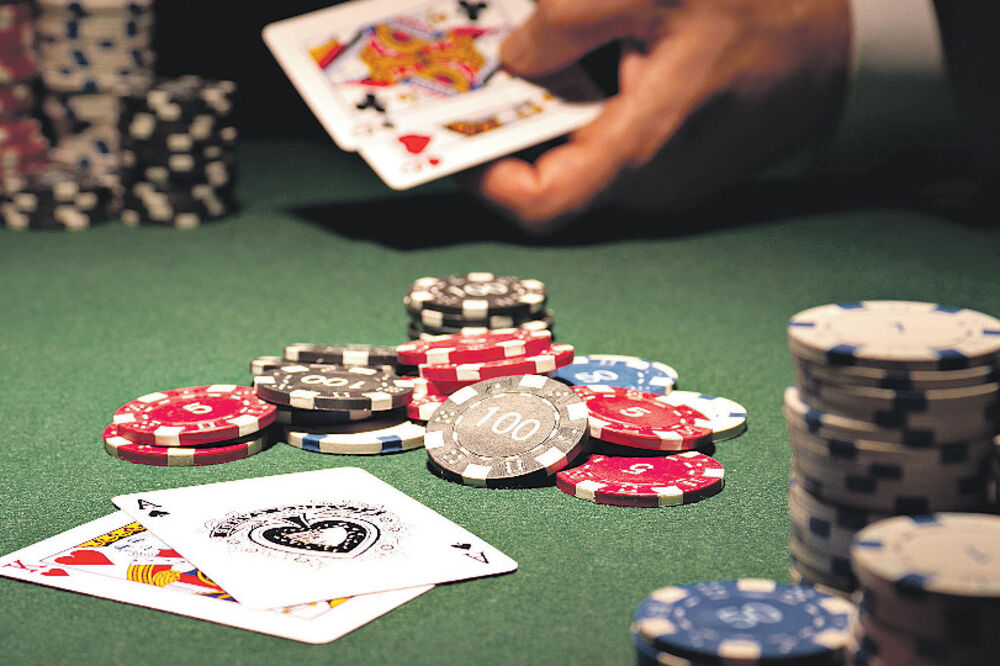
Furthermore, casinos use strategic designs to manipulate the flow of foot traffic, keeping players engrossed in the gaming experience. The layout often leads players through a maze of machines and tables, where they encounter opportunities to engage further, thus enhancing the overall gambling experience and increasing the likelihood of spending more.
The Role of Cognitive Biases
Cognitive biases play a significant role in gambling behavior, leading individuals to make irrational choices. One common bias is the illusion of control, where gamblers believe they can influence the outcome of games that are purely based on chance. This misconception often drives players to participate more frequently, as they feel empowered by their perceived skills, despite the odds being stacked against them. Recognizing these biases is an important aspect of understanding gambling decisions.
Another prevalent bias is the gambler’s fallacy, where individuals mistakenly believe that past outcomes influence future results. For instance, a player may think that a slot machine is “due” for a win after a series of losses. Such biases can prime players to continue gambling longer than they should, reinforcing the cycle of gambling behavior and often leading to financial losses.
The Impact of Emotions on Decision-Making
Emotions can heavily influence gambling decisions, creating a complex interaction between pleasure and risk. Players often experience a rush of adrenaline when they place bets or win, which can lead them to chase losses or prolong play when they should walk away. These emotional highs can cloud judgment, pushing individuals to make decisions based more on their feelings than rational thinking. As such, understanding emotional triggers is crucial for mitigating impulsive gambling.
Additionally, negative emotions such as boredom or stress can drive individuals to gamble as a coping mechanism. This escapism can lead to a dangerous cycle where gambling temporarily alleviates distress but ultimately exacerbates emotional and financial problems. Understanding the intricate relationship between emotions and gambling choices is crucial for both players and those interested in the psychology of gambling.
The Role of Social Influence
Social dynamics also play a critical role in the psychology of gambling within a casino. The presence of other players can create an atmosphere of excitement and competition, encouraging individuals to bet more than they might when alone. Social proof, where individuals look to others to gauge appropriate behavior, can amplify this effect, leading to increased participation in high-stakes games. This influence can shape one’s approach to decision-making in a casino setting.
Furthermore, the communal experience of gaming can foster a sense of belonging, making it more appealing for individuals to engage in gambling. This social aspect can sometimes mask the potential negative consequences of gambling, as players may feel supported by their peers even when they face significant losses. Understanding these social influences can help in recognizing the broader effects of gambling behavior within a casino environment.

Security and Responsible Gambling Practices
As the understanding of gambling psychology deepens, so does the emphasis on security and responsible gaming practices. Websites and casinos are increasingly adopting measures to protect players from excessive gambling behaviors. This includes offering tools for self-exclusion, setting betting limits, and providing resources for those struggling with gambling addiction. Promoting responsible gambling is essential to safeguarding players’ well-being.
Moreover, platforms with a focus on secure online experiences, like Speedetab.com, prioritize robust security against cyber threats, ensuring that users have a safe environment to engage in gambling activities. This dual focus on player protection and mental well-being is essential in creating a more responsible gambling landscape, promoting healthier interactions with casino games while mitigating risks associated with gambling behavior.
